
The different types of paragliding flight: a comprehensive exploration
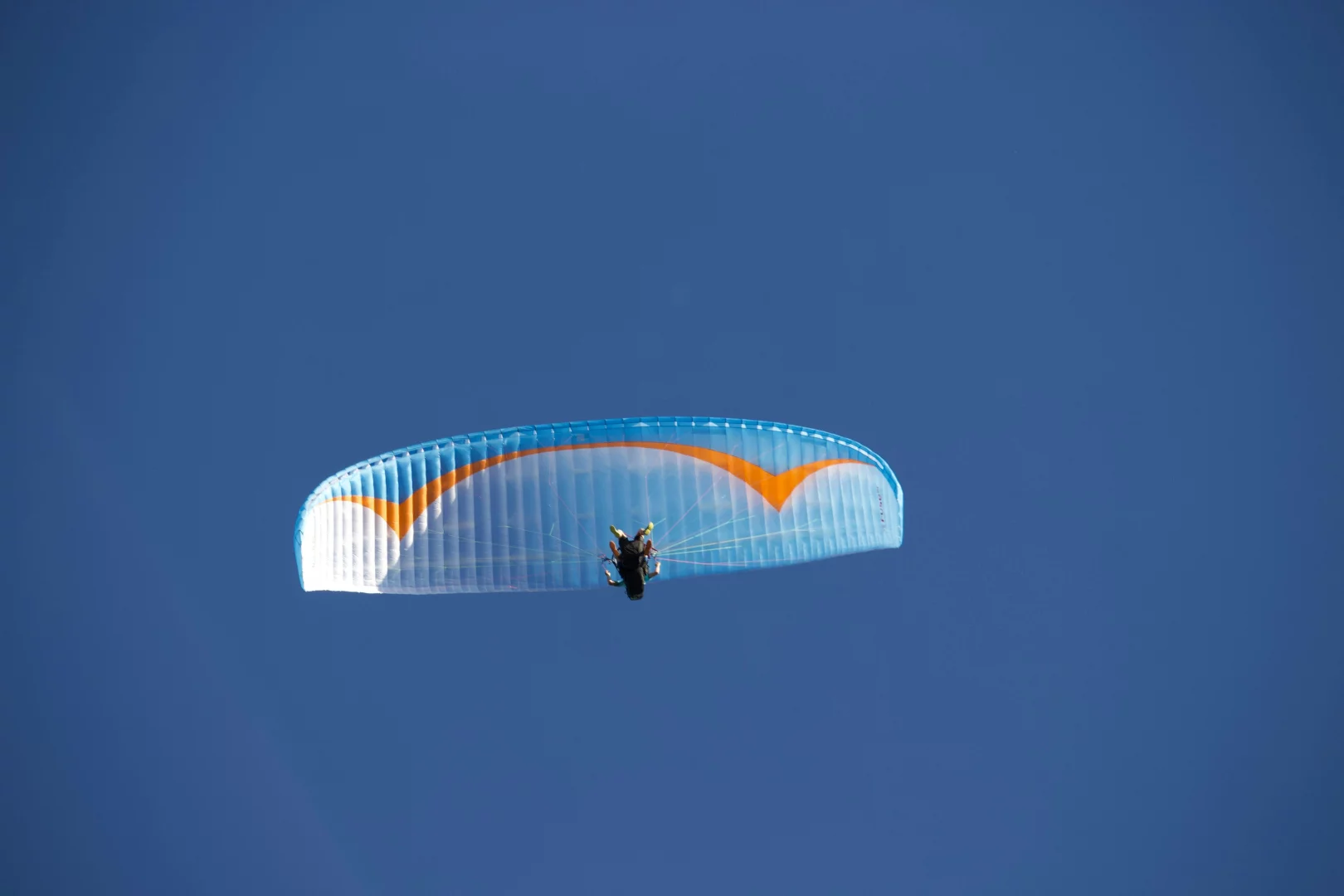
Paragliding, this fascinating aerial discipline, offers enthusiasts unique sensations of freedom and connection with nature. Whether you're a beginner or an experienced pilot, there are many different types of paragliding flight, each with its own techniques and challenges. In this article, we'll explore the different types of paragliding flight, including thermal, distance, soaring and more. We'll explain what each of these techniques consists of and the skills needed to master them.
Thermal flying
Thermal flying is one of the most popular paragliding techniques. It involves exploiting the columns of warm air, known as thermals, that rise from the ground due to the uneven heating of the earth's surface by the sun. Pilots use these updrafts to gain altitude and prolong their flight.
Skills required:
- Weather reading: Knowing how to identify signs of thermal activity, such as cumulus clouds, is crucial.
- Observation skills: Spotting birds or other pilots climbing can indicate the presence of thermals.
- Technical mastery of your paraglider: In different phases, so as to always be on the safe side.
Cross-country flying
Cross-country flying (XC) involves flying long distances in a paraglider, often using a combination of thermal and straight-line flying. The aim is to cover as many kilometers as possible in a single flight session.
Skills required:
- Planning and navigation: Know how to plan efficient routes and navigate using maps or GPS.
- Endurance and fatigue management: Long-distance flights can last several hours, requiring good physical condition.
- Ability to anticipate weather conditions: Anticipate changing conditions and know where to find the next climbs.
Soaring
Soaring is mainly practised along relief (hills, mountains, cliffs) where prevailing winds create dynamic lift as they encounter these obstacles. Pilots can thus stay aloft by following ridge lines.
Skills required:
- Understanding winds: Knowing how to interpret wind direction and strength to stay in the upwind zone.
- Precision piloting: mastering turning and terrain-following techniques to maximize flight time.
- Air traffic management: Share airspace with other paragliders in complete safety.
Acrobatic flight
Acrobatic flight, or acro, is a spectacular discipline in which pilots perform daring maneuvers and acrobatic figures. This type of flying requires perfect control of the wing and excellent coordination.
Skills required:
- Excellent piloting technique: master the basics of paragliding before launching into acrobatics.
- Quick reactions: Know how to react instantly to correct trajectories and avoid incidents.
- Safety knowledge: Know how to get out of critical situations and have a reserve parachute.
Bivouac flying
Bivouac flying combines paragliding and camping. Pilots set off for several days, taking with them everything they need to camp and fly. It's a true wilderness adventure.
Skills required:
- Logistical preparation: knowing what to pack and how to manage the weight of your equipment.
- Self-sufficiency: Be able to fend for yourself in the wilderness.
- Physical and mental stamina: Endure sometimes difficult conditions and manage fatigue over several days.
Conclusion
Paragliding offers a variety of flying techniques, each with its own challenges and pleasures. Whether you're drawn to climbing thermals, long-distance exploration, the thrill of soaring, the adrenaline of acrobatics, or the adventure of bivouac flying, each type of flight requires specific skills and adequate preparation. So, whatever your level or aspirations, there's a paragliding flight to suit your desires for escape and discovery. Take to the skies with passion and care!